
Tuckpointing & Repointing Services
Professional mortar joint repair that protects your masonry from water damage and structural deterioration.
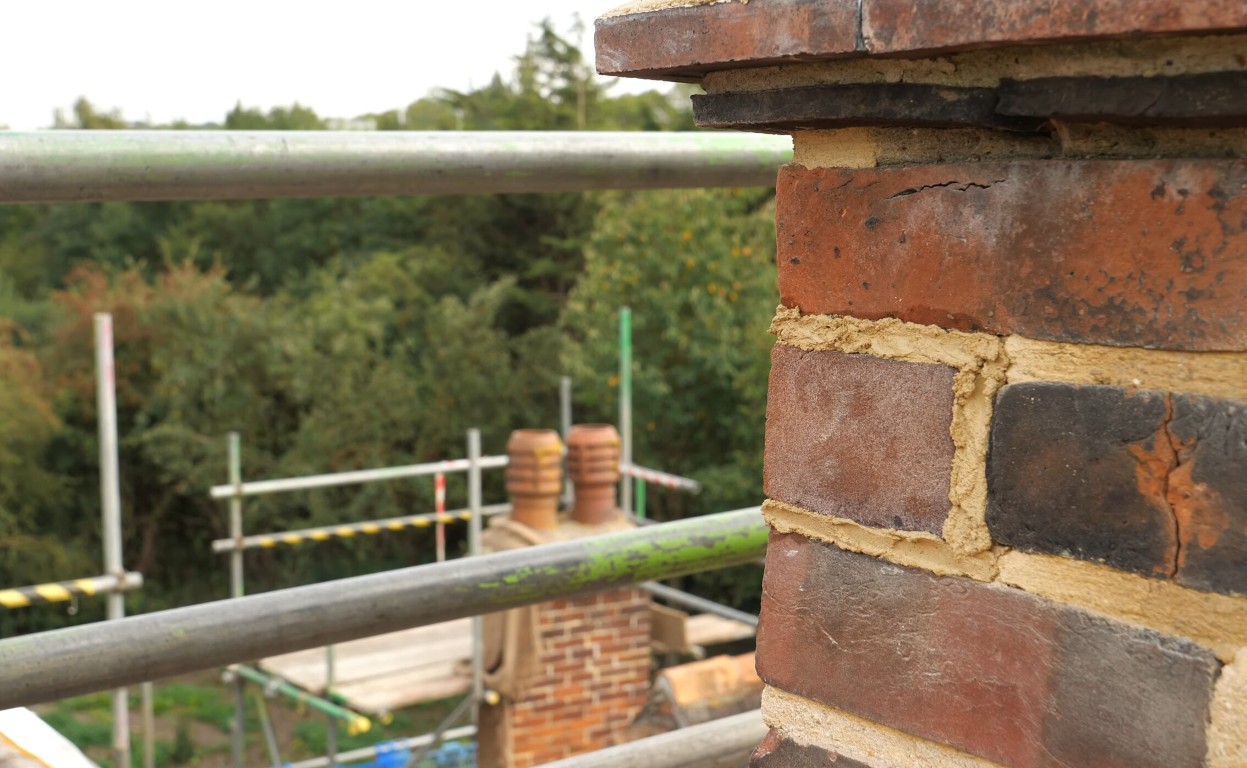
The mortar between your bricks does more than fill gaps. It creates a weatherproof barrier that keeps water out, allows for thermal movement, and holds the entire structure together. Over time, this mortar breaks down. Florida's heat, humidity, and seasonal weather changes accelerate the deterioration process. What starts as small cracks becomes crumbling joints that let water infiltrate your walls. Once water gets inside masonry, it causes expensive damage that spreads quickly.
Tuckpointing and repointing both involve removing old mortar and replacing it with fresh material. The terms are often used interchangeably, though tuckpointing technically refers to a decorative technique using contrasting mortar colors. Most homeowners simply need repointing, which restores the structural and protective function of mortar joints. Regardless of what you call it, this maintenance prevents major problems and extends the life of your brick structures for decades.
We specialize in matching your existing mortar color and composition so repairs blend invisibly with original work. Our craftsmen understand the chemistry of mortar and how different mixes perform in Cape Coral's climate. When you need expert masonry services in Cape Coral, we bring the knowledge and precision that professional tuckpointing requires. Proper repointing is an investment that saves you from costly repairs down the road.
Why Tuckpointing Matters for Your Property
Ignoring deteriorated mortar joints leads to problems that cost thousands of dollars to fix. Understanding why tuckpointing matters helps you recognize when your property needs this essential maintenance. Here is what happens when mortar fails and how professional repointing prevents these issues.
Water Infiltration and Freeze-Thaw Damage
Cracked or crumbling mortar creates pathways for water to enter your walls. In Cape Coral, we do not see much freezing, but we get plenty of rain and humidity. Water trapped in masonry causes efflorescence, staining, and interior moisture problems. When water does freeze during rare cold snaps, it expands with tremendous force that cracks bricks and widens gaps. The cycle of wetting and drying, expanding and contracting, breaks down masonry structures from the inside out. Fresh mortar joints seal out water and protect your investment.
Structural Stability
Mortar holds bricks in position and transfers loads throughout the structure. As mortar deteriorates, bricks shift and lose support. You might not notice small movements, but they add up over time. Eventually, sections of wall bulge, lean, or collapse. Catching mortar problems early and repointing affected areas maintains structural integrity. This preventive maintenance costs far less than rebuilding failed walls. Our brick repair and restoration services often work hand-in-hand with tuckpointing to address both mortar and brick issues comprehensively.
Energy Efficiency
Gaps in mortar joints let outside air infiltrate your walls. Your HVAC system works harder to maintain comfortable temperatures, driving up energy costs. Properly repointed masonry creates a tighter building envelope that improves insulation performance. While the energy savings are not dramatic, they add up over years and contribute to overall home efficiency.
Property Value and Appearance
Crumbling mortar makes your property look neglected. Buyers notice deteriorated masonry and factor repair costs into their offers or walk away entirely. Fresh tuckpointing transforms the appearance of older buildings and demonstrates proper maintenance. Real estate agents recognize well-maintained masonry as a selling point. The investment in tuckpointing protects your property value and enhances curb appeal.
- Prevents water infiltration that causes interior damage and mold
- Stops structural deterioration before major repairs become necessary
- Extends the life of your masonry by decades
- Improves energy efficiency by sealing gaps and cracks
- Maintains property value through proper upkeep
- Enhances curb appeal with clean, professional results
Our Professional Tuckpointing Process
Quality tuckpointing requires more than scraping out old mortar and filling joints. We follow a proven process that ensures lasting results and proper protection for your masonry. Here is how we approach every tuckpointing project from start to finish.
Inspection and Assessment
We start by examining all mortar joints to determine the extent of deterioration. Some areas might need immediate attention while others remain in good condition. Our team tests mortar hardness, checks for hollow spots behind the masonry, looks for signs of water damage, and assesses the original mortar composition. This evaluation helps us recommend which areas need repointing and estimate the scope of work required.
Mortar Removal
Removing old mortar demands skill and patience. We grind out deteriorated mortar to a depth of three-quarters to one inch, depending on joint size. Going too shallow means new mortar will not bond properly. Cutting too deep risks damaging bricks. We use specialized grinders and hand tools to remove mortar without harming surrounding brick faces. All debris gets cleared from joints so fresh mortar bonds directly to brick surfaces.
Mortar Matching and Mixing
Historic buildings often used softer lime-based mortars that differ from modern Portland cement mixes. Using the wrong mortar type causes problems. We analyze your existing mortar and create custom blends that match both the color and the hardness. Mortar should always be softer than the bricks it joins. This allows mortar to absorb stress and movement without transferring damage to bricks. We also match the original mortar color so repointed areas blend seamlessly with untouched sections.
Application and Tooling
Fresh mortar gets packed tightly into cleaned joints using specialized trowels. We work in layers, allowing each layer to set slightly before adding more. This ensures proper compaction and eliminates voids where water could collect. Once mortar reaches the right consistency, we tool the joints to match your existing profile. Joint profiles affect both appearance and water shedding. Common profiles include concave, flush, and weathered joints. Proper tooling compresses the mortar surface and creates a water-resistant finish. For projects that also need structural attention, we coordinate with our chimney repair and rebuilding services to provide comprehensive masonry solutions.
Curing and Protection
Mortar needs time to cure properly. We protect fresh work from rain, direct sun, and temperature extremes during the curing period. Rushing the curing process produces weak joints that fail prematurely. We also clean brick faces to remove any mortar residue or staining. The finished work should look like it has always been there, with no evidence of repairs except stronger, healthier joints.
Understanding Mortar Deterioration
Mortar does not last forever. Even the best installations eventually need repointing. Understanding what causes mortar to deteriorate helps you recognize when your property needs attention and appreciate why quality workmanship matters.
Age is the primary factor. Mortar typically lasts 20 to 30 years before showing significant wear. Florida's climate accelerates this timeline. Constant heat cycles cause expansion and contraction that stresses mortar. High humidity allows moisture to penetrate deeper into joints. Salt air in coastal areas chemically attacks mortar components. All these factors work together to break down even properly installed mortar joints.
Poor original installation creates premature failures. Mortar mixed with incorrect proportions cures too hard or too soft. Insufficient depth leaves joints vulnerable to weather. Improper curing produces weak, crumbly mortar that fails in just a few years. When we repoint after bad previous work, we correct these installation errors to give you lasting results.
Water damage accelerates deterioration dramatically. Water enters through roof leaks, failed flashing, or other openings and saturates mortar joints from behind. This hidden moisture causes rapid breakdown that you cannot see until major damage appears. Our comprehensive approach identifies and fixes water sources while repointing affected areas. Simply replacing mortar without addressing water problems leads to recurring failures.
Regular maintenance extends mortar life significantly. Catching deterioration early and repointing small areas prevents widespread problems. We recommend inspecting mortar joints every few years, especially on older buildings. Professional maintenance costs far less than emergency repairs on severely damaged structures. Think of tuckpointing like changing your oil. Regular service prevents catastrophic failures and keeps everything running smoothly.