Loading...
Serving Cape Coral, FL and surrounding areas. (239) 347-0846
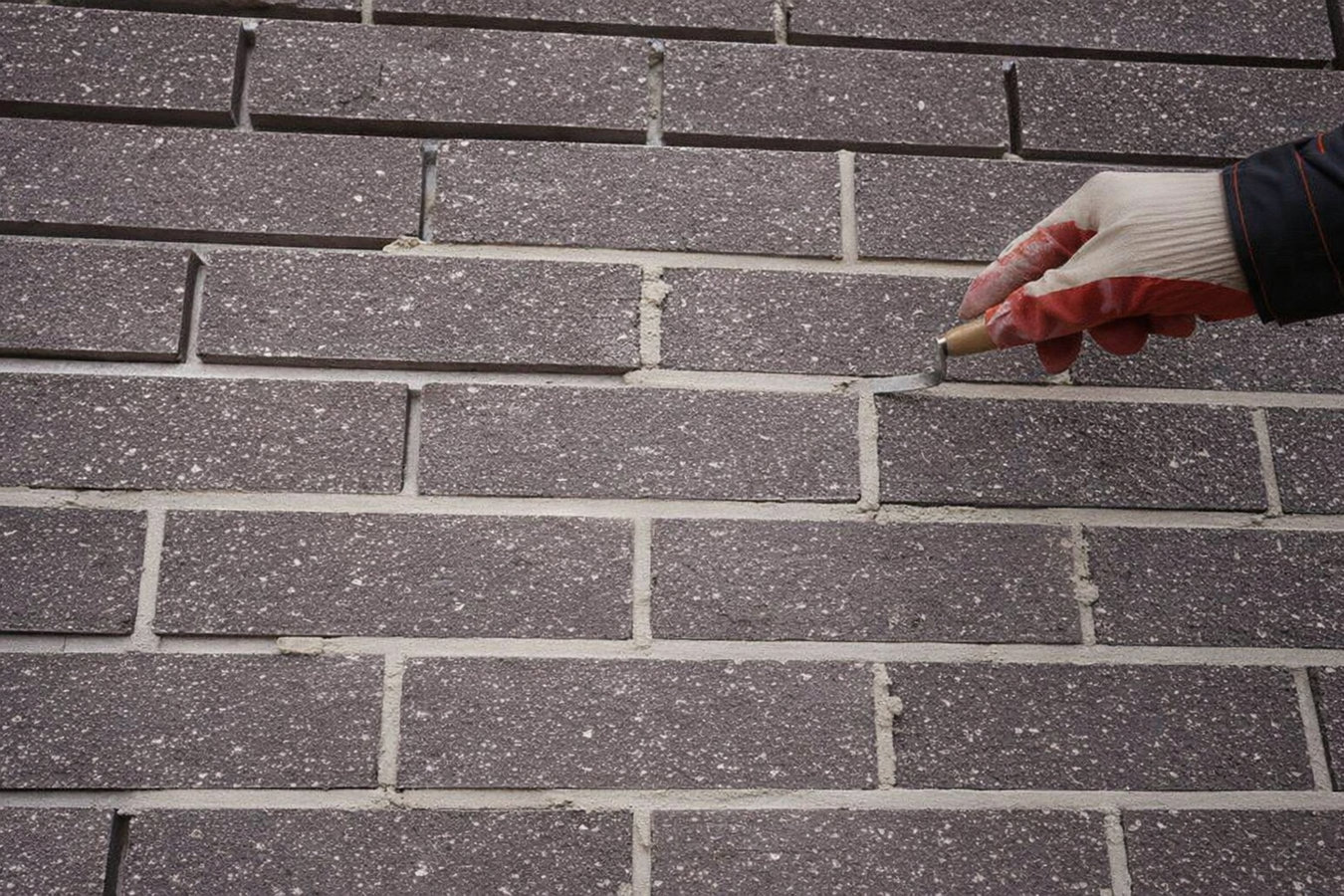
Crumbling mortar joints on your chimney, garden wall, or entry column are not just a cosmetic issue. We restore them with mortar matched to Cape Coral's salt air and humidity - so joints hold up through rainy season instead of letting water in.
Brick pointing in Cape Coral means removing old, crumbling mortar from the joints between bricks and replacing it with fresh mortar matched to the local climate - most jobs take one to two days for a chimney or small wall, with larger projects running three to five days depending on scope.
Mortar joints are the part of a brick wall that wears out first - faster in Cape Coral than in most of the country because the salt air, humidity, and intense summer rain put constant stress on them. When those joints crack, crumble, or fall out, the wall loses its ability to keep water away from the structure behind it. Catching and fixing the problem early is almost always cheaper than letting it develop into a full section rebuild. Homeowners with brick features throughout the property often pair brick pointing with foundation repair when a full inspection turns up movement in the base structure as well as the joints.
Even if you cannot see obvious damage, any brick chimney, entry column, or garden wall in Cape Coral that has never been serviced and is more than 15 years old is worth having looked at. The coastal environment here is genuinely hard on mortar, and problems tend to be well underway before they become visible from the ground.
Run your finger along the mortar lines on your brick chimney, garden wall, or entry column. If the mortar feels soft, crumbles away easily, or has visible gaps wider than a credit card, it is time to call a mason. Healthy mortar should feel solid and hold its shape. In Cape Coral's coastal climate, gaps that look minor let in salt air and moisture that accelerates damage faster than in drier parts of the country.
That chalky white residue - called efflorescence - is a sign that water is moving through your mortar joints and carrying dissolved salts to the surface. In Cape Coral's humid, salt-air environment, this is one of the most common early warning signs. It does not mean the wall is about to fall, but it does mean water is getting in somewhere it should not be - and the problem will get worse each rainy season if the joints are not restored.
If you notice a gap forming between a brick chimney and the main wall of your home, or a decorative column that looks like it is leaning slightly, the mortar has failed enough to allow movement. This is more urgent than surface cracking - get a mason to assess it before the next rainy season arrives. Movement that is caught early is often a repair job; movement that is ignored can become a rebuild.
Cape Coral's intense summer rain season puts a lot of pressure on any exterior opening, including failed mortar joints. If you notice water stains, damp spots, or peeling paint on interior walls near a chimney, brick veneer, or exterior column, the mortar joints on the outside may be letting water through. This is worth investigating now - before the next storm season - while a pointing job is still likely to solve the problem.
We restore mortar joints on chimneys, garden walls, entry columns, brick veneers, and any other brick feature on your Cape Coral property. Every job starts with an honest assessment - we look at the joints, the bricks themselves, and any signs of water intrusion or structural movement, and we tell you clearly what pointing will solve and what it will not. If bricks are cracked or shifting, we say so before work begins rather than pointing over a problem that needs something more.
Homeowners who have broader masonry concerns alongside failing joints often combine brick pointing with masonry restoration when the surface also needs cleaning, sealing, or surface repair - or with foundation repair when a full inspection turns up movement in the base structure as well as the mortar joints.
For homeowners with brick chimneys - the most exposed feature on most Cape Coral homes - that have never been serviced or show visible joint deterioration.
For homeowners whose brick boundary walls, garden beds, or retaining walls have crumbling mortar that is letting water into the base of the structure.
For homeowners with decorative brick columns at their driveway entrance or front entry that are showing efflorescence, gaps, or visible cracking.
For homeowners with brick veneer on an exterior wall or porch that has failing joints allowing moisture into the wall cavity behind it.
For homeowners with smaller brick features around the yard that need mortar restoration before they deteriorate into a full replacement.
For homeowners who want a professional assessment of brick features after a major storm to confirm joints are still sound before the next rainy season.
Cape Coral receives roughly 55 inches of rain per year, with the heaviest rainfall between June and September. That volume of water, combined with year-round humidity and the salt air coming off the Gulf and the city's 400-plus miles of canals, creates conditions that shorten mortar life faster than most of the country. The mortar used in Cape Coral needs to be formulated for coastal, high-humidity environments - not pulled from a standard product line that works fine in Ohio or Georgia. Salt particles work into micro-cracks, absorb moisture, expand, and push joints apart from the inside over time. This process is called salt crystallization, and it is one of the most common reasons Cape Coral brick features need pointing sooner than national averages would suggest.
The scheduling reality is also worth understanding before you start planning. Most experienced local masons strongly prefer the dry season - October through May - for pointing work, because fresh mortar that gets soaked too soon loses significant strength. That window fills up quickly, so homeowners in Lehigh Acres and Fort Myers face the same scheduling pressure and are part of our standard service area. If you are planning a fall or winter start, booking early gives you a realistic slot and time to address any HOA approvals before the crew arrives.
The Brick Industry Association provides detailed technical guidance on mortar selection for different climates and exposure conditions - the standards their members follow are what a qualified masonry contractor in Cape Coral should be referencing when choosing materials for your project.
We respond within 1 business day. Most reputable contractors in Cape Coral schedule a free on-site estimate within a few days, though the dry season - October through May - is busier. Expect slightly longer waits during that window and plan ahead if your timeline is tight.
The mason walks around the brick feature with you, looks closely at the mortar joints, the condition of the bricks themselves, and any signs of water damage or movement. You leave with a written estimate and a plain-language explanation of what was found - not just a number.
The crew grinds or chisels out old mortar to a consistent depth - the noisy part of the job - then packs in fresh mortar by hand, working in sections. Each joint is shaped to match the original profile and wiped clean before the mortar hardens on the brick face.
The crew sweeps up debris, removes drop cloths, and does a final pass to confirm no mortar smears were left on the brick surface. Fresh mortar needs 24 to 48 hours before it gets wet and reaches full strength over the following few weeks - avoid pressure washing the area for at least a month.
Free on-site estimate. We assess honestly and quote in writing before any work begins. No obligation.
(239) 347-0846Using the wrong mortar is one of the most common mistakes in this market. Mortar that is too hard for your specific bricks can crack them over time; mortar that does not account for salt air will fail faster than it should. We select mortar strength and composition based on the bricks and the local environment - not a one-size-fits-all product.
A pointing job that draws attention because the color or texture is off looks worse than the crumbling mortar it replaced. We take the time to match the new joints to the existing ones - in color, finish, and profile - so the finished work blends in rather than standing out.
Most routine pointing jobs in Lee County do not require a permit, but when they do - or when an HOA requires pre-approval for exterior work - we tell you upfront and handle the paperwork. You are not left finding out about a requirement after work has already started.
We complete brick pointing jobs throughout Cape Coral, Fort Myers, Naples, and 9 other Southwest Florida communities. Every project follows the same process: assess the joints honestly, use the right mortar for the climate, and leave the surface cleaner than we found it.
Brick pointing done right with mortar matched to Cape Coral's climate can last 20 to 30 years before it needs attention again. We start every job with an honest assessment, use materials suited to the coastal environment, and leave the finished joints looking like they belong there - not like a patch job.
If failing mortar joints on a chimney or wall are a symptom of deeper foundation movement, a foundation assessment can confirm whether structural repairs are needed before pointing begins.
Learn moreWhen brick pointing is part of a broader masonry surface that needs cleaning, sealing, or surface repair, masonry restoration covers the full scope in a single project.
Learn moreThe October-to-May window goes fast - reach out today and we will get your brick joints assessed before the next rainy season.