Loading...
Serving Cape Coral, FL and surrounding areas. (239) 347-0846
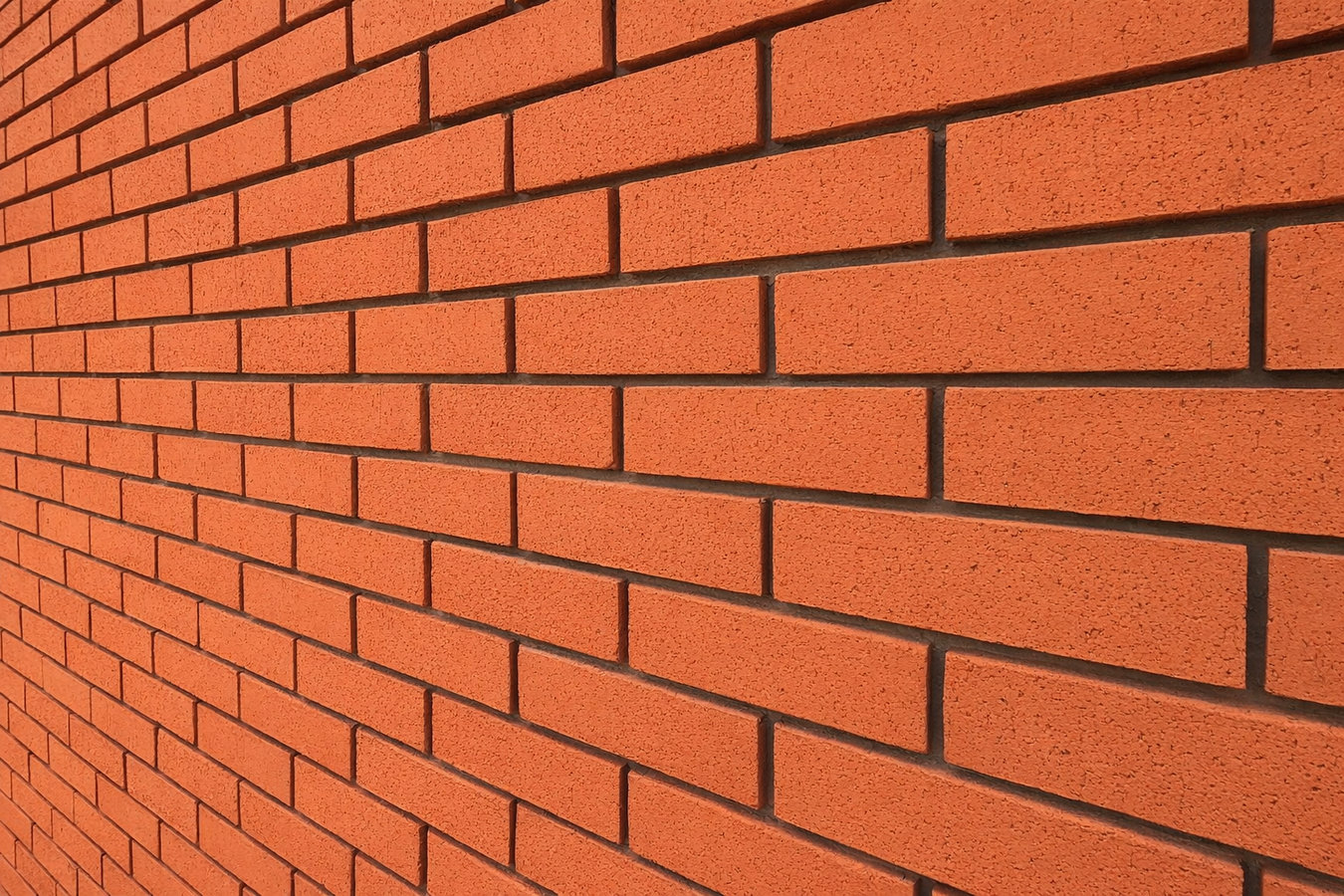
Failing mortar joints are one of the quietest ways water enters a Florida home. We remove the old material, match fresh mortar to your wall, and leave every joint tight against Cape Coral's salt air and rainy seasons.
Tuckpointing in Cape Coral involves cutting out worn mortar joints between bricks or concrete blocks and packing in fresh, matched material - most jobs on a single wall or chimney take one to two days and seal the surface before water gets a foothold. Cape Coral's salt air and canal-side humidity break mortar down faster than in drier climates, which makes this one of the most time-sensitive maintenance tasks for local homeowners.
If your home was built in the 1980s or 1990s and the joints have never been touched, you are likely approaching the window where inspection makes sense - even if nothing looks obviously wrong. Mortar has a useful life of 20 to 30 years, and Cape Coral's conditions push it toward the lower end of that range. Many homeowners combine a tuckpointing job with brick repair when both the joints and some individual bricks are showing wear.
Water that gets through failed joints works quietly behind walls for months before you see a stain or smell something wrong. By the time it is visible inside, the repair bill is usually much larger than the tuckpointing job would have been.
Run your hand along the mortar joints on your home's exterior. If the material feels soft, crumbles when you press it, or you can see a gap, the joint has failed. This is the clearest sign tuckpointing is overdue - and the sooner you address it, the less water has had a chance to get behind the wall.
Those chalky white marks, called efflorescence, are mineral deposits left when water moves through masonry and evaporates on the surface. In Cape Coral's humid climate, this is a common early warning sign that moisture is finding its way through failing joints. It does not mean the wall is about to fall, but it means water is getting where it should not.
Homes along Cape Coral's canal system face consistently higher ground-level moisture. Dark staining, soft spots in the mortar, or a musty smell near the base of an exterior wall on the canal side may mean joints are letting in water. The lower courses of masonry on canal-facing sides are worth inspecting every few years.
Fresh mortar has a consistent color and texture. When joints start to fail they often lighten, darken unevenly, or develop a sandy washed-out look. If your mortar looks noticeably different from one section to another, especially after a rainy season, that is worth having a mason assess.
Our tuckpointing work covers mortar joints on all masonry surfaces - exterior walls, chimneys, retaining walls, and block foundations. We grind or chisel out the deteriorated material to the correct depth, then pack in fresh mortar in stages and tool the surface smooth. The finished joints should look consistent and feel firm within a few days of curing.
We also handle brick pointing, which focuses on restoring the finished profile of the joint face - a common request when the mortar is structurally sound but the surface has eroded unevenly. For walls where both the mortar and individual masonry units are damaged, we combine tuckpointing with brick repair so you get one consistent result rather than two separate patch jobs.
For homes where mortar joints on block or brick walls have crumbled or opened up across a large surface area.
For chimneys where mortar between courses has failed and water is finding its way into the flue or crown.
For homeowners who need targeted work on a specific wall, corner, or canal-facing side of the house.
Cape Coral sits on a peninsula surrounded by water, and the combination of high humidity and salt-laden air is genuinely hard on masonry mortar. Salt crystals work their way into tiny pores in the mortar and expand as they dry, slowly pushing the material apart from the inside. Homeowners here should inspect their masonry joints more frequently than someone living inland - every five to seven years is a reasonable habit rather than waiting for visible cracking. Homes near the canal system face even more pressure on the water-facing sides, where ground-level moisture stays consistently higher.
Florida's hurricane season also creates a hard scheduling window. Most experienced Cape Coral masons prefer to schedule tuckpointing work between December and May, when conditions are drier and fresh mortar can cure without interference from daily rainstorms. Homeowners in Fort Myers and Bonita Springs face similar conditions, and we schedule and plan work across the entire Southwest Florida region with the same dry-season timing in mind.
We respond within 1 business day. A quick conversation about what you are seeing is all we need to schedule a free on-site look at your mortar joints.
We walk the exterior and check joint depth, condition, and any signs of water intrusion behind the wall. This takes 20 to 45 minutes and there is no obligation.
You receive a detailed written quote covering exactly which areas are included, the materials being used, and the total cost before any work begins.
The crew grinds out old mortar, packs in fresh material in matched layers, and tools the surface smooth. Most jobs take one to three days. Fresh mortar needs 24 to 72 hours before it is fully set.
We respond within 1 business day. There is no obligation and no sales pressure. After you submit, someone from our office will call to schedule a free on-site estimate at a time that works for you.
(239) 347-0846Most Cape Coral homes are built with concrete masonry blocks, not the clay brick common in older cities. We work with both and match the mortar mix to your specific wall type so the new joints hold without stressing the surrounding material.
We take time at the assessment to match the new mortar to what is already on your wall. One of the most common complaints about tuckpointing is joints that stand out like a patch - we treat color consistency as a non-negotiable part of the job.
We work throughout Cape Coral and the surrounding region - from Fort Myers to Bonita Springs to Naples. One crew, one standard of work, no matter which city you are in.
You will never get a verbal quote from us. Every estimate is written, itemized, and explained in plain language - so you know exactly what is included before a single tool comes out of the truck.
The Brick Industry Association recommends mortar matched to the masonry unit strength - a standard we follow on every job. When you add that technical approach to local knowledge of Cape Coral's concrete block construction, you get repairs that hold up through multiple rainy seasons without needing attention again.
Cracked or spalling bricks alongside failed mortar? Brick repair addresses the masonry units themselves, not just the joints between them.
Learn moreBrick pointing focuses on restoring the profile and finish of mortar joints to match the original texture and keep water out.
Learn moreSalt air and heavy rains will keep testing your masonry - call now and get your joints sealed before the next rainy season arrives.