Loading...
Serving Cape Coral, FL and surrounding areas. (239) 347-0846
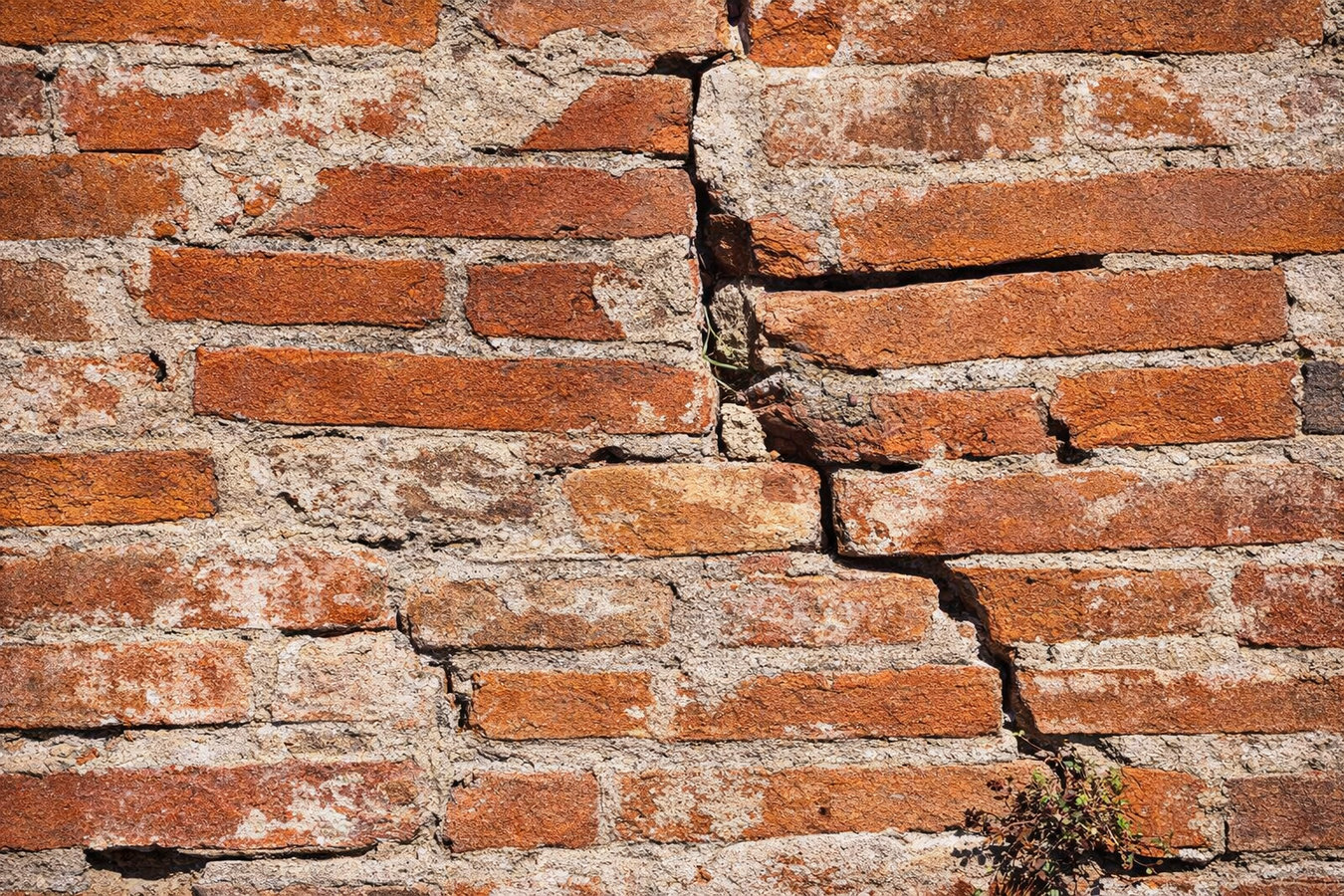
Cracks, uneven floors, and sticking doors are warning signs your slab is moving. We assess your foundation, explain exactly what is happening, and fix it the right way - permitted, warranted, and built to hold through every rainy season.
Foundation repair in Cape Coral addresses cracks, sunken sections, and soil voids beneath your concrete slab - most residential jobs are completed in one to three days once a permit is approved. Because the city was built on dredged and filled land, slabs here move differently than in areas with naturally dense soil. Understanding the local ground conditions is not optional - it is the starting point for any honest diagnosis.
If you are seeing sticking doors, diagonal wall cracks, or floors that feel uneven, those are not just cosmetic problems. They are signals that something has shifted underneath your home. The longer soil movement goes unaddressed, the more it costs to fix. We also offer foundation block wall installation for new construction and additions where a full block-built base is needed.
Cape Coral receives roughly 55 to 60 inches of rain per year, concentrated between June and September. That water saturates the loose fill soil under slabs repeatedly, creating voids that cause the concrete to sink or crack. Contractors who know this market understand it - and diagnosis here requires that local knowledge.
If a door that used to swing freely now drags on the floor or refuses to latch, the frame around it may have shifted. This happens when the foundation beneath that part of the house has moved. In Cape Coral, this symptom often appears in late summer after the rainy season has saturated the soil.
Cracks that run diagonally from the corners of windows or doors - or that are wider at the top than the bottom - are a sign that one part of your foundation has moved more than another. Straight hairline cracks are usually harmless, but diagonal or stair-step cracks deserve a closer look.
Walk slowly across your floors and pay attention to any spots that feel lower than the surrounding area, or where you notice a slight slope. In Cape Coral slab-on-grade homes, an uneven floor almost always means the soil underneath has shifted or washed away, leaving part of the slab without support.
If you regularly see standing water sitting against your foundation after a storm, that water is soaking into the soil beneath your slab. Over time, this washes out the fine material that supports the concrete and creates voids that lead to sinking and cracking - a cycle that compounds with every wet season.
Every foundation problem has a different root cause, and the repair method has to match the actual situation - not a one-size-fits-all approach. For slabs that have sunk due to soil voids, we use void filling or slab lifting to restore level support without tearing out the concrete. For foundations that have settled due to soil compression or movement, pier installation drives supports down to stable soil beneath the problem layer.
We also handle crack repair for hairline and structural cracks, perimeter underpinning for exterior foundation edges, and drainage corrections to stop the water intrusion that causes slabs to shift in the first place. For homes that need a completely new structural base, foundation block wall installation gives you a properly engineered starting point. If masonry damage beyond the foundation is involved, our chimney repair team handles the above-grade structural work as well.
Homes with hairline to structural cracks that need to be sealed and stabilized before they widen.
Slabs that have sunk due to soil washout beneath - foam or slurry injection raises them back to level.
Foundations that have settled due to deep soil movement and need support driven to stable soil.
Exterior foundation edges that have shifted, cracked, or pulled away from the structure above.
Cape Coral sits on land that was dredged and filled starting in the 1950s. That fill soil is loose and compressible, which means it shifts more easily under the weight of a house than naturally dense soil would. The city also has over 400 miles of canals, and properties near those canals experience more soil movement because the water table fluctuates with tidal and rainfall cycles. This repeated wetting and drying puts steady stress on slabs from below - a condition you simply do not find inland. Homeowners in Fort Myers face similar coastal soil challenges, and we work across that area as well.
Most Cape Coral homes were built between the 1960s and 1990s - slabs poured to the standards of their era, which were less stringent than today. Older slabs may have thinner concrete, less reinforcement, or inadequate soil preparation underneath. That combination of aging infrastructure and challenging soil conditions means foundation movement is more common here than in most other Florida cities. Homeowners in Cape Coral should expect a contractor who knows Lee County soil - not one who imports a generic repair plan from out of the area.
The Florida Building Commission sets the statewide standards for structural repairs that all permitted foundation work in Cape Coral must meet.
Call us and describe what you have noticed - sticking doors, cracks, uneven floors. We respond within 1 business day to schedule a free on-site inspection. You do not need to prepare anything for the visit.
We walk through your home and around the outside, checking cracks, testing floors, and examining the perimeter. You get a clear explanation of what we found and what we recommend - in plain language, not technical jargon. The visit takes one to two hours.
You receive a written estimate breaking down the work and cost. For structural repairs, we handle the permit application with the City of Cape Coral Building Division. Permit approval typically adds one to two weeks before work begins.
The crew completes the work - usually in one to three days - and patches any holes in the slab. A city inspector then signs off on the finished job. Before we leave, we walk you through what was done, show you the warranty, and explain what normal post-repair settling looks like.
We respond within 1 business day to schedule your free on-site estimate. There is no sales pressure and no obligation to book. After you submit, someone from the office will call you to arrange a time that works. We will come out, assess your slab, and give you a written estimate explaining exactly what we found and what it will cost.
(239) 347-0846We pull the required permit for every structural job - no exceptions. The permit means a city inspector reviews and signs off on the finished work, giving you documentation that protects you at resale and refinancing.
We know the dredge-and-fill soil conditions, the canal-side water table fluctuations, and the age of the local housing stock. That local knowledge changes the diagnosis - a contractor unfamiliar with this market may recommend the wrong repair method.
Reputable foundation repair comes with a warranty that transfers to the next owner. We provide written warranty terms before any work begins - so you and any future buyer know the repair is backed.
You get a response within 1 business day of reaching out. The estimate is free, written, and broken down by line item - so you understand what you are paying for before committing to anything.
Taken together, permitted work, local expertise, and a written warranty mean you are not just patching a problem - you are protecting your home as an asset. The Florida DBPR contractor license verification tool lets you confirm any contractor is active and licensed before they touch your foundation.
Damaged chimney mortar or a failing cap can let water into your home - we handle the full repair from crown to flashing.
Learn moreNeed a new block wall foundation installed from the ground up? We build them to current Cape Coral code.
Learn moreMost jobs are permitted and completed within two to three weeks - the sooner you call, the sooner your home is stable before the next rainy season.